The vibes from attendees at the annual Associated Equipment Distributors (AED) annual convention, held this year in Orlando, Florida, January 26 through the 28 were generally positive. A consensus among attendees developed, as everyone networked over the three days that the decline in business reached bottom and improved slightly in the fourth quarter. Very few said their business is expected to grow substantially this year. Most said that they’ve made the hard cut backs caused by the worst decline in business since the early 1980s and that they are profitable at the current level of business. A “new normal” has emerged. Everyone would like to see business return to pre-2008 levels, but most understand those days won’t return for a number of years.
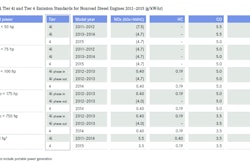
I heard a lot of distributor comments about their customers renting equipment because they are uncertain about how many projects are ahead of them. A number of distributors noted they had a lot of rentals converted to sales in December as customers took advantage of the depreciation bonus extension. I also heard confirmation of my belief that some customers were buying Tier III machines ahead of the switch over to Interim Tier IV on January 1.
Major exceptions to the “new normal” consensus were those distributors that participate in the mining industry. Sales of equipment to U.S. coal mining customers is very good right now as well as sales in any regions where energy is produced. Sales to oil and gas producers is strong along the Gulf Coast while Western Canadian distributors are particularly pleased with the high level of business in the Alberta oil sands.
One curious aspect of the current business environment is that throughout the year manufacturers had a shortage of new machines. I heard story after story from distributors who placed large orders for machines but only receiving a fraction of what they ordered. The shortages are curious for two reasons. First, most manufacturers reported robust quarterly top line revenue gains during 2010. I believe a great deal of those gains were sales to distributors for replenishment of their depleted inventories including distributor rental fleet inventories which were also reduced substantially in the past two years. Second, a shortage implies that the manufacturers could have had higher revenue gains if their production was higher, so why didn’t they take advantage of the booming market?
Many manufacturers are unable to ramp up production faster because the suppliers of their components were unable to ramp up due to many U.S.-based suppliers going out of business during the recession, while suppliers that weathered the recession and survived had to cut back so much that they are now unable to keep up with their manufacturer customers. Overseas suppliers, especially in China, were busy selling their products to customers in their home market where product markets are up an average of more than 60%. It’s the ugly side of outsourcing showing through. In order to gain control over their supply chain, OEM manufacturers will have to take back some production that was outsourced years ago, the so-called on-shoring.
Another reason for the shortage is the positive business in 2010 for other areas of the world, especially in South America. Manufacturers diverted machine shipments to those regions, especially where the low value of the dollar gave them a cost advantage, which slowed shipments even more.
Manufacturers need to take control of the situation and rebalance their business – domestic vs. overseas. It is imperative that manufacturers protect their distributors in their home market. Many companies did not pay enough attention to protecting their domestic channels-to-market in the recession of the early 1980s with the result that a significant number of their domestic distributors disappeared. Some distributors went bankrupt, some sold out to adjacent distributors and others closed their doors because the owners had better investment opportunities. Manufacturers that did not protect their domestic distributors spent the following decade rebuilding their networks. There were instances where manufacturers were forced into establishing and owning their own distribution.
The solutions for protecting their domestic market are not easy. Unless production can be ramped up to accommodate both domestic and international demand the choice is to reduce overseas shipments. That decision must be made.