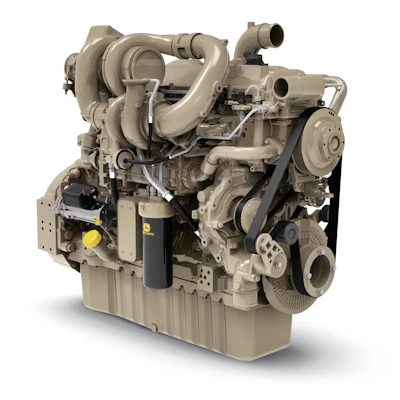
Reliability and power density have always served as the non-negotiables for the heavy-duty equipment sector. While the industry continues to explore a variety of power solutions, the internal combustion engine (ICE) remains the primary power source for applications requiring high torque and long duty cycles. For a machine running eight or more hours a day, the liquid-fuel engine is not an aging technology; it is a sophisticated system requiring significant investment and a willingness to evolve to stay ahead of the curve.
The Move to Clean-Sheet Architecture
Future emissions standards remain a moving target, and adhering to those requirements will take more than updates to aftertreatment systems. Designing for evolving regulations creates the opportunity for manufacturers to reimagine the entire engine architecture. A “clean-sheet” design allows for improvements in efficiency, serviceability, and power density from the outset. By reimagining the architecture, more power can often be delivered within a smaller, more efficient footprint. This increased power density simplifies machine packaging, making it easier to fit high-performance engines into tighter spaces without sacrificing capability. Furthermore, these structural optimizations provide the foundation for integrating alternative energy solutions, such as renewable fuels and hybridization.
The industry is also focused on increasing overall efficiency while simultaneously addressing the reduction of carbon emissions. While modern engines have already reached high levels of efficiency, reducing total carbon output through optimized fuel economy is a priority. Every percentage of efficiency gained through improved combustion is a win for both sustainability goals and the operator’s bottom line.
The Role of Renewable Fuels
Powering the future of the off-highway industry requires more than one technology. Success in this transition depends on the ability to match the right power source to the right job, taking into account the unique geographic and operational hurdles customers face. This is where renewable fuels, such as biodiesel, renewable diesel (hydrotreated vegetable oil, or HVO), and ethanol, play an essential role. The strength of these fuels lies in their compatibility with existing fuel infrastructure. They allow operators to reduce carbon emissions quickly using equipment that fits their current operational needs and the refueling methods they already use.
To support this, original equipment manufacturers (OEMs) must assess geographic considerations alongside customer power needs to determine the most practical fuel solutions. Biodiesel, for example, is often used in blends to leverage existing engine technology, and while blend levels can impact performance and maintenance, regions across North and South America, Europe, and Asia are evaluating higher blends. In contrast, HVO serves as a drop-in fuel that can be used in existing engines without modification. It offers lower carbon intensity and a higher volumetric energy content compared to other biofuels and, while subject to cost and availability, it is seeing significant adoption in North America and Europe.
Some alternative energy sources, like hydrogen, require entirely new and infrastructure-intensive delivery systems; other options offer a more immediate path forward. Ethanol, for instance, is a widely used biofuel that provides a strong balance of energy content and ease of handling. Designing engines for these “flexible” fuels gives equipment owners a way to lower emissions without having to change how they refuel or manage their machines.
This transition is already well underway, but effectively implementing these fuels requires an engine strategy that can account for varying global availability and regulations. For example, some Final Tier 4/Stage IV and Interim Tier 4/Stage IIIB engines are approved for use with B30 biodiesel blends, an increase from the previous B20 limit. For Tier 3/Stage III A and lower-tier engines without exhaust filters, the use of up to 100% (B100) biodiesel is approved.
In the Decades to Come
A forward-looking engine strategy must be built on adaptability. Whether using ethanol, renewable diesel, or advanced clean-sheet architectures, engines must be designed for broad compatibility to remain viable across a fragmented global market. By engineering for both efficiency and fuel flexibility, engine manufacturers are not only future-proofing their own lineups but also providing the practical support OEMs and end users need to navigate a shifting technology landscape. This approach ensures that the transition to new power solutions remains grounded in operational reality for everyone involved.
This evolution is driven by a commitment to matching the right power solution to the specific demands of the application. While electrification offers a viable path for certain duty cycles, the sheer energy density and uninterrupted run time required for heavy-duty work in sectors like forestry and construction means that they remain the domain of the internal combustion engine. For these "tough to electrify" applications, the liquid-fuel engine is — and will remain — the most practical path to decarbonization for the near to mid-term future.
Ultimately, the internal combustion engine remains a vital piece of the power landscape because it is uniquely equipped to solve the toughest problems in the field. By optimizing design and combustion technology to maximize uptime, manufacturers are demonstrating that productivity and sustainability are not mutually exclusive. The diesel engine remains the most reliable and versatile solution for heavy‑duty work — not just for today, but for the decades to come.