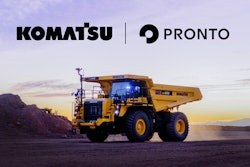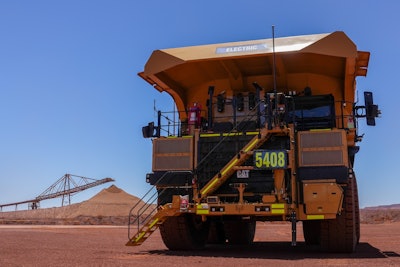
Once commissioned, the trials will test the viability of battery-electric technology as an alternative to diesel fuel for heavy haulage. The data gathered will help inform the development of the technology, processes and infrastructure required for lower-emissions mine sites of the future. The zero-exhaust-emission trucks are designed to maintain the productivity and performance levels of their diesel counterparts.
Collaboration to Accelerate Decarbonization
The project is part of a joint effort by the companies, supported by Caterpillar dealer WesTrac, to accelerate the development of sustainable mining solutions and transition their fleets.
“Powering up our first battery-electric haul trucks in the Pilbara is an important step forward on the mining industry’s road to decarbonization,” said Tim Day, Western Australia Iron Ore Asset president at BHP. “These trials will help us understand how all the pieces of the puzzle fit together: the battery technologies, generation and charging infrastructure, power management, as well as the supply chains to potentially deliver this at scale.”
Andrew Wilson, Rio Tinto Iron Ore managing director Pilbara Mines, said collaboration is key to achieving emissions reduction goals. “No single company can achieve zero emissions haulage on its own. It takes the whole industry working together,” he said. “Through this industry-first collaboration to test Cat 793 XE Early Learner battery-electric haul trucks in Pilbara conditions, we hope to meet our shared goals as quickly and efficiently as we can.”
Following the joint trial, BHP and Rio Tinto will independently evaluate the results to determine their respective paths toward scaled trials and potential fleet integration. The collaboration supports both mining companies’ goals of achieving net-zero operational greenhouse gas emissions by 2050.