Modern equipment cabs combine ergonomic design, intuitive digital controls, and smart automation to improve operator comfort, safety, and productivity while helping construction contractors recruit and retain skilled workers in a competitive labor market.
- Advanced cab features like adjustable seating with heating and cooling reduce operator fatigue and physical strain during long shifts
- Customizable digital controls and touchscreen interfaces appeal to younger workers and reduce the learning curve for new operators
- Smart automation systems like boom assistance and work modes help newer operators achieve higher accuracy and prevent costly rework from day one
- 360-degree camera systems with radar detection eliminate blind spots and improve situational awareness to prevent accidents
- Improved cab comfort and modern connectivity directly address construction's skilled labor shortage by making equipment operation more attractive to new generations
For heavy equipment operators, a long day on the jobsite often means hours inside a machine cab. An uncomfortable environment or controls that aren’t intuitive to use can take their toll and increase fatigue, potentially resulting in safety hazards or unexpected downtime.
As machine technologies advance, today’s excavator, wheel loader and haul truck cabs are packed with features that make the job easier, safer and more efficient. A well-designed cab with the right technology can improve operator comfort to help them be more productive. Ultimately, this keeps projects on track and boosts the bottom line by reducing both rework and downtime.
The Impacts of Improved Cab Comfort
Beyond the potential improvements in efficiency and productivity, a comfortable, functional cab can also help address the persistent shortage of skilled labor in the construction industry. As construction contractors look for ways to recruit and retain a new generation of workers, one solution is improvements to the work environment. Because the cab serves as an operator’s office for hours at a time, keeping them satisfied means prioritizing ergonomics and modern connectivity. A machine that leaves workers feeling physically exhausted at the end of a shift can hurt employee retention.
To prevent physical strain, modern cabs now come with features like adjustable seating, matching lumbar and armrest customization, and an added footrest to keep operators secure when working on steep slopes. Advanced seating options also come equipped with heating and cooling functions to help regulate temperature during seasonal weather.
In addition to these ergonomic updates, original equipment manufacturers (OEMs) are also including the types of connectivity features that the new generation expects everywhere. Wireless phone charging docks and integrated Bluetooth capabilities in cabs allow for entirely hands-free communication.
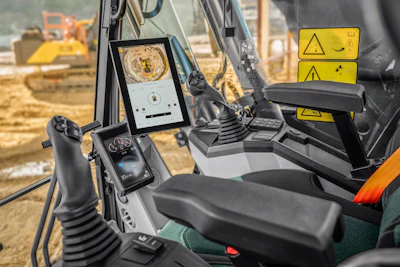
Most of today’s incoming workforce grew up playing video games and working on computers and tablets, so manipulating precision joysticks and interacting with high-resolution screens is second nature to them. Recognizing this shift, OEMs are leaning into modern interface design. Some excavator cabs, for example, provide customizable controls, allowing multiple users to personalize their workspace layout and change how the machine responds to their inputs. Updated in-cab machine control platforms now feature larger, higher-resolution touchscreen tablets. These systems display critical, real-time data for things like on-board weighing and in-field design, making complex grading and excavating tasks feel more interactive and visual.
By adopting customizable ergonomic features and intuitive digital controls, OEMs are creating an environment that feels familiar to a generation raised on similar technologies while maintaining the rugged functionality required for heavy earthmoving.  Volvo Construction Equipment
Enhancing Productivity With Technology
A number of other cab and machine technologies can help reduce the learning curve for new operators and prevent costly jobsite mistakes. Modern cab technologies integrate automation for things like boom and bucket movements. By letting the machine’s control system assist with precision tasks, newer operators can achieve a higher degree of accuracy beginning on day one, cutting down on rework and unnecessary downtime.
In addition, managing machine performance has been simplified in some cases to a few digital choices. Instead of manually adjusting complex parameters, operators can choose from an expanded menu of predetermined machine work modes. Newer excavator models offer different work modes that allow operators to dial in power or speed depending on the task at hand. These work modes may also include automatic ECO modes and intelligent auto power boost that can automatically sense when extra digging force is required. Features like these allow less experienced operators to focus entirely on safety and execution while a smart machine system helps optimize performance behind the scenes.
Some machines have tech-enabled cabs that use a combination of software and hardware to eliminate traditional blind spots. Taking inspiration from advanced vehicle camera networks, modern systems integrate a 360-degree view directly onto the cabin’s main digital display. These systems can combine camera feeds with a specialized radar detection system that can distinguish between physical objects and humans. This real-time feedback provides improved situational awareness so operators can make quick, informed decisions to avoid potential accidents.  Volvo Construction Equipment
Operator Comfort and Performance Starts With the Right Cab
The modern equipment cab is evolving to benefit both operators and fleet owners. Intuitive, comfortable setups allow operators to work with higher precision and less fatigue. At the same time, meeting the tech expectations of the next generation makes recruitment and retention much easier — all while helping contractors improve jobsite safety and protect their bottom lines.