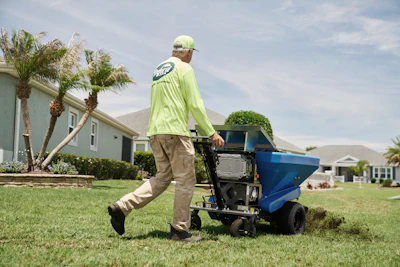
*This article is sponsored by Vanguard
The numbers tell a compelling story: The total addressable market (TAM) for this electric equipment segment is projected to reach $3.02 billion by 2029, expanding at a 44.3% compound annual growth rate (CAGR).* Instead of waiting for the market to get crowded, forward-thinking manufacturers are acting today to secure a competitive advantage driven by three realities: what buyers want, how ready the technology is, and mounting regulatory pressures.
1. Equipment Buyers Want Better Profitability
Growing momentum behind electric equipment is showing it's not a passive preference but a sound financial decision. Commercial fleets and equipment rental houses are seeking out electric options because end users are demanding solutions that lower operating costs.
A five-year total cost of ownership (TCO) analysis reveals compelling savings across the board*:
- 28% average savings for light-duty equipment
- 22% average savings for medium-duty equipment
- A two-year average payback period for the investment
These savings come directly from a virtually maintenance-free design. With no oil changes, spark plugs or air filters, electric assets slash scheduled maintenance costs by up to 50% over the lifetime of the machine. Eliminating fuel costs and minimizing downtime means that equipment spends less time in the shop and more time earning on the jobsite. Furthermore, these electric assets also maintain a significantly higher resale value as the industry shifts.
 Vanguard
2. Battery Technology Is Ready for Hard Work
Early hesitation around electric equipment usually came down to reliability and economics. Today, the technology is mature, with advanced lithium-ion systems engineered to match or exceed the power requirements of traditional gas and diesel engines. This shift is also accelerated by falling battery costs, which improve the immediate business case.
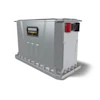
However, this transition is driven by much more than just a high-performing battery pack; it is the result of an entire connected ecosystem. It starts with falling costs and rising energy density safely packaged inside heavy-duty enclosures. Vanguard’s commercial battery packs are built to this standard, completely protecting the internal cells from extreme jobsite vibrations, weather, and debris.
To eliminate charging downtime entirely, solutions like Vanguard’s Si1.5 swappable battery allow operators to seamlessly swap fully charged packs in under two minutes, keeping tools like plate compactors and concrete trowels running all day long. This rugged hardware is backed by smart telematics with integrated software providing real-time battery health and performance insights that help rental companies maximize fleet uptime. This same data also gives original equipment manufacturers (OEMs) the field data they need for future product designs. Supported by a flexible charging infrastructure that ranges from mobile on-site chargers to multi-bay stations, the options for keeping equipment running are now just as versatile as the machinery itself.
 Vanguard
3. Regulatory Pressures Are Growing
The rules governing where and how equipment can operate are changing rapidly. Increasingly, jobsites and municipalities are implementing strict carbon-reduction targets, zero-emission zones and noise ordinances.
Whether the job is indoor construction, early morning work in residential neighborhoods or nighttime facility maintenance, traditional engine-powered machines are facing more restrictions. Contractors who want to win these highly profitable urban and indoor bids must have zero-emission, low-noise equipment. OEMs that can deliver these machines today will position themselves as the preferred partners to capture this high-margin market share.
What This Growth Means Across the Industry
The growth of this market impacts every level of the industry. For OEMs, it marks a clear window to secure market share before the space gets crowded. For dealers and rental houses, it represents the next major revenue stream, making the choice of a right technology partner critical to their long-term success. Ultimately, for operators, it means more choices: Zero emissions and quieter machines are arriving in the market faster than ever without sacrificing the power required to get the job done.
How Vanguard Helps OEMs Capture the Growth Opportunity
As the demand intensifies, manufacturers face a choice: try to piece together an electric system from scratch, or partner with an expert who has already done the heavy lifting. Sourcing separate batteries, chargers and components from different vendors can create frustration within the engineering process, drive up costs and delay product launches.
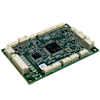
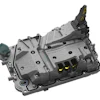
Vanguard changes that approach. Rather than just supplying components, Vanguard acts as a complete system integration partner, providing single-source battery systems where the battery, motor, motor controller, charger and battery management system are designed to work together seamlessly. Through dedicated support and deep application expertise, Vanguard gives OEMs the scalable hardware and engineering help they need to solve real-world technical challenges and accelerate their speed to market.
OEMs looking to capitalize on the shift to electrification can discover how Vanguard’s integrated battery systems and engineering expertise streamline product development by visiting www.vanguardpower.com/en-us/powering-the-shift.
*The University of Chicago Booth School of Business, “Electrification Strategy: TCO & Market Opportunity Assessment” (Booth Consulting Lab).
 Vanguard