Whether bringing a new electric product to market or converting a gas-powered model to battery power, original equipment manufacturer (OEM) engineering teams face a pivotal design choice: patch together a power system from multiple suppliers or adopt a single-source, integrated electrification model.
Sourcing all the components that go into a battery system, from the actual battery itself to motors, motor controllers and a compatible charger, might seem flexible initially. In reality, it creates an integration bottleneck that slows speed to market. Choosing a fully integrated power system eliminates engineering hurdles, letting design teams focus on machine innovation rather than component troubleshooting.
The Pitfalls of Managing Multiple Vendors
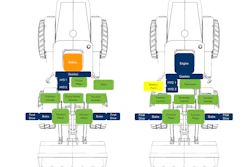
In a multi-supplier model, the OEM becomes the default systems integrator, taking on the burden of combining isolated software stacks and communication protocols. Think of the controller area network (CANbus) as the digital nervous system that allows components to communicate. For this communication to work smoothly, every component needs to speak the same language and match timing precisely. When these components come from different suppliers, minor differences in software timing or data formatting can cause dropped messages, CANbus errors and warning codes that are difficult to track down.
These communication breakdowns quickly turn into diagnostic headaches. Isolating an unexpected shutdown forces engineers to debug across multiple vendor software tools simultaneously. When field issues arise, multi-vendor setups trigger supplier finger-pointing, leaving the equipment manufacturer to absorb the engineering costs and project delays.
How Single-Source Power Systems Save Development Time
Moving to a single-source system architecture shifts the burden of software and hardware alignment back to the power application partner. An integrated power stack provides pre-validated hardware and software interoperability right out of the box. Because the battery management system (BMS), motor, motor controllers and chargers are co-designed from the ground up, power electronics align automatically without cross-supplier diagnostic testing or complex hardware matching.
Furthermore, integrated systems coordinate power delivery across the battery pack and inverter simultaneously, embedding thermal management from the start. Pre-calibrated safety controls and pre-configured systems ensure smooth battery operation while automatically adapting to sudden current spikes, startup surges and transient loads, bypassing the months of fine-tuning typically required to prevent false safety shutoffs. Avoiding these conflicts before testing starts saves months of engineering time, reduces research and development hours and lowers upfront development costs.
Simplifying Communication and Equipment Integration
Modern off-highway equipment requires clear data traffic management to operate smoothly. In a multi-supplier setup, engineers can waste weeks trying to merge competing CANbus protocols. Displaying basic power updates on the main equipment usually requires writing custom translation software, adding extra hardware gateways or hiring outside software consultants.
A single-source system solves this through a pre-engineered architecture where all components work together natively from Day 1. By managing internal power communication and component diagnostics behind the scenes, it delivers clean, consolidated status data directly to the main equipment controller. This allows engineering teams to display key battery metrics on existing dashboards without rewriting software or untangling complex messaging streams.
Retaining Existing Equipment Designs and Assembly Tooling
Sourcing motors, motor controllers and battery mounts from separate vendors often forces OEMs to alter their equipment designs, make custom plates and retool assembly lines to fit mismatched parts. These physical changes drive up prototyping costs and delay production.
Single-source power systems eliminate this headache by offering drop-in compatibility. If a power system manufacturer uses industry-standard SAE J609 mounting options, electric motors bolt directly into traditional engine footprints using existing shaft dimensions and mounting points. OEMs avoid expensive redesigns and retooling, keeping current manufacturing setups intact while speeding up development.
Built-in Thermal and Electrical Safety Protection
Sourcing components separately forces safety systems to rely on external sensors and manual software overrides. If a sensor misses a heat spike, a single overheating cell can quickly escalate into total system failure.
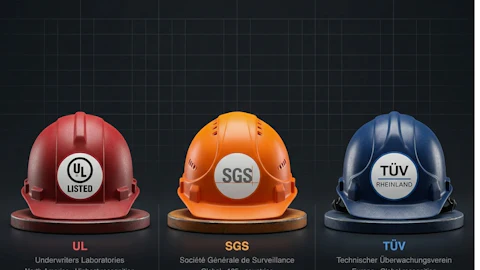
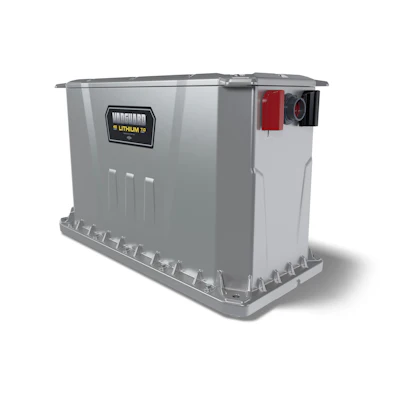
Single-source electrification builds multi-layered safety directly into the battery architecture. For example, some battery packs feature wire-bonded cell fusing that acts like a mini circuit breaker, instantly disconnecting a shorted cell before it affects surrounding power channels. Integrated aluminum heat-containment plates physically block and isolate excess thermal energy to prevent fire from spreading. Embedding these protective barriers natively into the power system protects equipment manufacturers from liability risks.
Accelerating the Shift to Production
Whether an OEM is starting its first electrification project or is overwhelmed by managing too many component suppliers, switching to a single-source partner eliminates integration bottlenecks. Pre-validated power systems resolve internal communication hurdles upfront, while a unified diagnostic framework delivers clear visibility into battery performance. Ultimately, this integrated approach prevents costly delays, protects development timelines and accelerates the path to full-scale production.