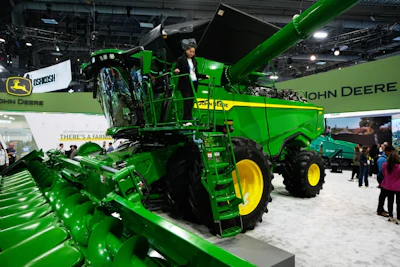
Deere & Co. has reached a preliminary agreement to pay $99 million to resolve a class-action lawsuit accusing the manufacturer of monopolizing the repair service market for its agricultural machinery.
According to the Associated Press, The settlement, filed in federal court in Illinois, aims to resolve a 2022 lawsuit that alleged the Moline, Illinois-based company withheld critical repair software and conspired with its authorized dealer network to limit independent repair options. The plaintiffs claimed these practices forced equipment owners to use dealership services, allowing Deere and its dealers to charge "supracompetitive" prices within an "unlawfully restrained" market.
Settlement Terms and Scope
Under the proposed agreement, the $99 million will establish a settlement fund for class members who paid Deere or its authorized dealers for large agricultural equipment repairs between Jan. 10, 2018, and the date of the deal’s preliminary approval.
Beyond the financial payout, the company has agreed to injunctive relief. These measures are intended to strengthen the availability of repair resources, such as diagnostic checks and technical tools required for equipment maintenance.
Company Response and Industry Context
Despite the agreement, Deere continues to deny any wrongdoing. Denver Caldwell, vice president of aftermarket and customer support at Deere, stated in a release that the company agreed to the settlement "to move forward and remain focused on what matters most — serving our customers." The manufacturer maintained that it remains dedicated to supporting customer access to equipment repair tools.
While this settlement addresses the 2022 class action, Deere continues to face legal scrutiny regarding its repair policies. In January 2025, the Federal Trade Commission (FTC) filed a separate lawsuit against the company, alleging unfair practices that increased repair costs and prevented timely maintenance. Deere has characterized the FTC's claims as baseless.
The "right to repair" movement continues to impact the OEM off-highway sector and other technology-reliant industries. Increased public and legislative pressure has led several states to introduce measures ensuring independent repair businesses and consumers have access to the software and tools necessary to maintain complex machinery.